Understanding Fibre Types

The fibre a yarn is spun from shapes how a finished piece feels, how warm it is, how it holds its shape and how it is washed. For a beginner in Canada, where projects often need to hold up to cold and to frequent laundering, fibre choice is a practical decision rather than only an aesthetic one. The three broad families are animal fibres, plant fibres and manufactured synthetics.
Animal fibres
Wool is the most common animal fibre for hand knitting. Its individual strands have a scaled, crimped structure that traps air, which is why wool insulates well even when the garment is not especially thick. That same crimp gives wool natural elasticity, so ribbing and cuffs spring back into shape.
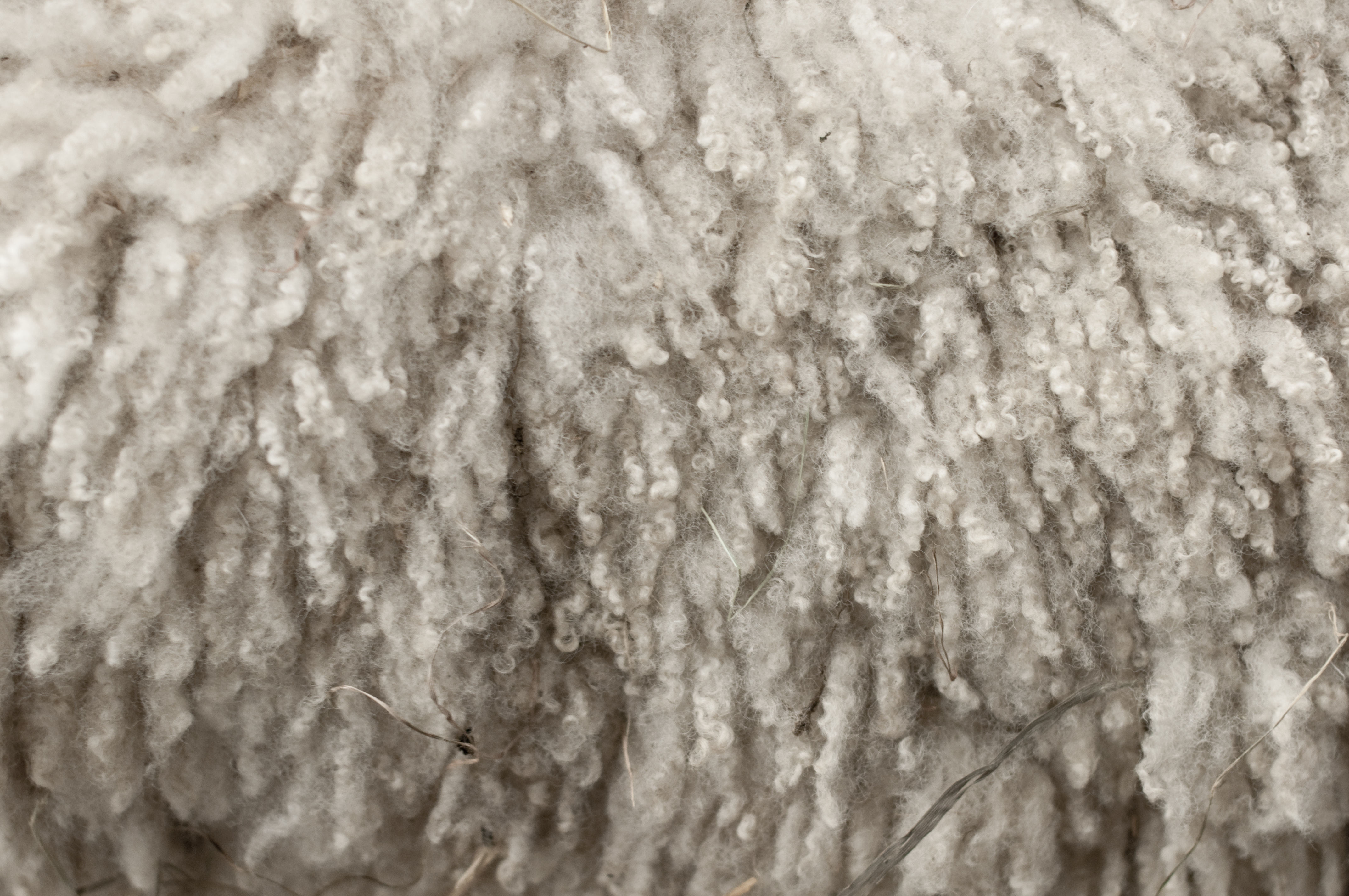
Beyond sheep's wool, alpaca is warmer and silkier with little elasticity, while mohair adds a soft halo. Animal fibres generally need gentle, cool hand-washing unless the label states the yarn has been treated to be machine-washable, often sold as superwash.
- Warmth
- High, even when damp
- Stretch
- Naturally elastic
- Typical care
- Gentle cool wash, dry flat
- Good for
- Hats, sweaters, mittens
Plant fibres
Cotton and linen are the common plant fibres. They are smooth, breathable and cool against the skin, which suits warm-weather garments and household items such as dishcloths. They have very little natural stretch, so a cotton fabric can feel heavier and may grow lengthwise under its own weight. Cotton usually tolerates machine washing, which makes it practical for items that need frequent cleaning.
- Warmth
- Low; breathable
- Stretch
- Minimal
- Typical care
- Often machine washable
- Good for
- Dishcloths, summer tops, bags
Synthetic fibres
Acrylic and nylon are manufactured fibres widely used in budget and machine-washable yarns. Acrylic is light, inexpensive and easy to launder, which is why it is common for blankets and children's items. It does not insulate as efficiently as wool and can feel different to the hand. Nylon is often blended in small amounts into sock yarn to add abrasion resistance where wool alone would wear thin.
Blends and why they exist
Many yarns combine fibres to balance their strengths: a wool-nylon sock yarn keeps warmth and elasticity while resisting wear; a cotton-acrylic blend adds a little easy care to a breathable fabric. The label lists the percentage of each fibre, which is the quickest guide to how the yarn will behave.
Reading the label first
Before buying, check the fibre content, the recommended needle size, the suggested gauge and the care symbols. These four pieces of information predict most of how a yarn will knit and wash.
Choosing for a Canadian project
For winter wear that must stay warm, an animal fibre or a wool-rich blend is a reliable starting point. For items washed often, a superwash wool or a wool-synthetic blend reduces the risk of accidental felting. For warm-season or kitchen projects, cotton is hard-wearing and easy to clean. Matching fibre to the way an item will be used and laundered avoids most early disappointments.
Background on natural fibre properties is available from the public Wikipedia entry on wool, and general yarn-weight references are maintained by the Craft Yarn Council.